
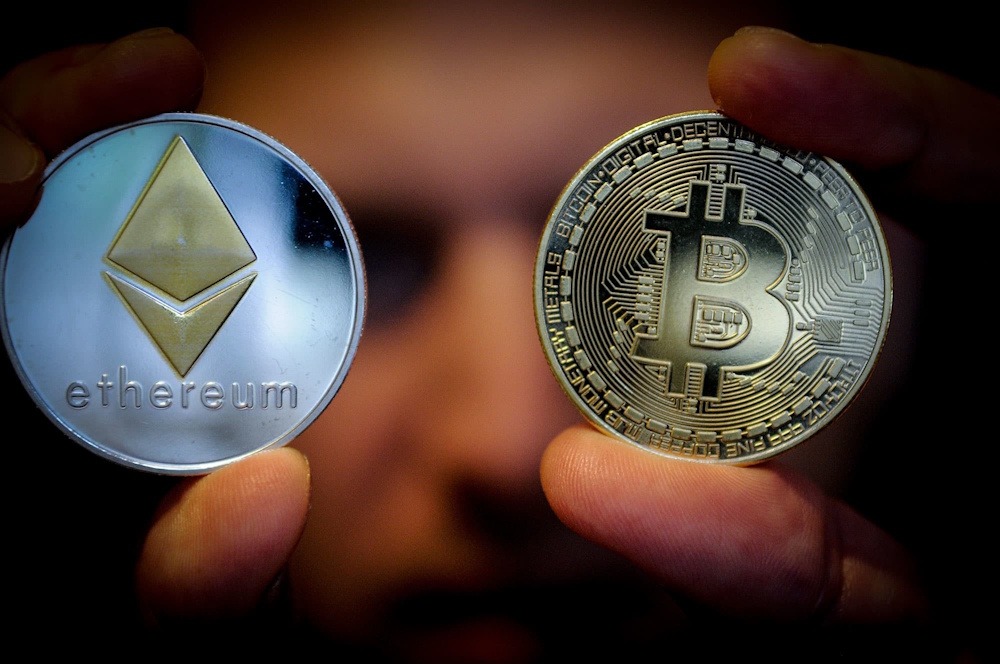
Bitcoin exhibits a degree of resilience in the face of weakness in technology stocks, whereas Ethereum is drawing significant institutional investment, evidenced by robust inflows into ETFs. Bitcoin experienced a temporary decline to $76,700 following the release of the most recent inflation data, subsequently rebounding to approximately $78,000. QCP Capital notes that this “contained” reaction indicates that markets have largely absorbed the prospect of a 25-basis-point rate hike. The firm articulated that BTC’s technical setup continues to be favourable at present levels, although confidence remains contingent on the broader market’s reaction to the events of this week. Bitcoin is currently positioned above a significant support range of $75,000 to $76,000, with resistance identified in the $80,000 to $82,000 bracket. Ethereum is exhibiting a markedly distinct flow scenario.
Spot BTC ETFs experienced net outflows amounting to $462.7 million during the week shortened by the holiday. However, Friday’s withdrawal experienced a significant deceleration, totalling $13.2 million in contrast to the $282.7 million recorded on Thursday. Ethereum ETFs, meanwhile, recorded nearly $197 million in net inflows for the week. Friday’s $216.4 million influx contributed to an increase in the weekly total, countering earlier outflows. QCP Capital noted that the divergence signified a differentiated positioning between the two crypto assets. Ethereum is encountering resistance in the range of $2,500 to $2,550, with support established between $2,400 and $2,425. Additionally, a secondary support zone is identified at $2,300 to $2,350.
Bitcoin’s volatility continues to exhibit a relatively low profile. QCP Capital indicated that the volatility curve remains upward sloping, with the 25-delta risk reversal positioned at approximately negative 3 volatility points. Puts are consequently priced at a moderate premium compared to calls, despite positioning being significantly below stressed levels. The firm indicated that traders are maintaining hedges instead of adopting a pronounced directional stance. Several factors could influence the risk appetite for cryptocurrency. For instance, oil prices have increased in response to a drone attack that briefly disrupted Saudi Arabia’s East-West pipeline. A prolonged disruption could exert additional pressure on risk assets via elevated energy costs and more stringent financial conditions.
Simultaneously, equities associated with Artificial Intelligence have faced pressure amid public discourse regarding the deceleration of AI development due to safety apprehensions. QCP Capital noted that Bitcoin’s relative resilience, in contrast to the more pronounced declines observed in technology and semiconductor stocks, serves as a constructive indicator for its “uncorrelated positioning.” However, a more profound unwinding in heavily populated technology trades may still impact the cryptocurrency market due to a diminished overall risk appetite and constrained liquidity.