
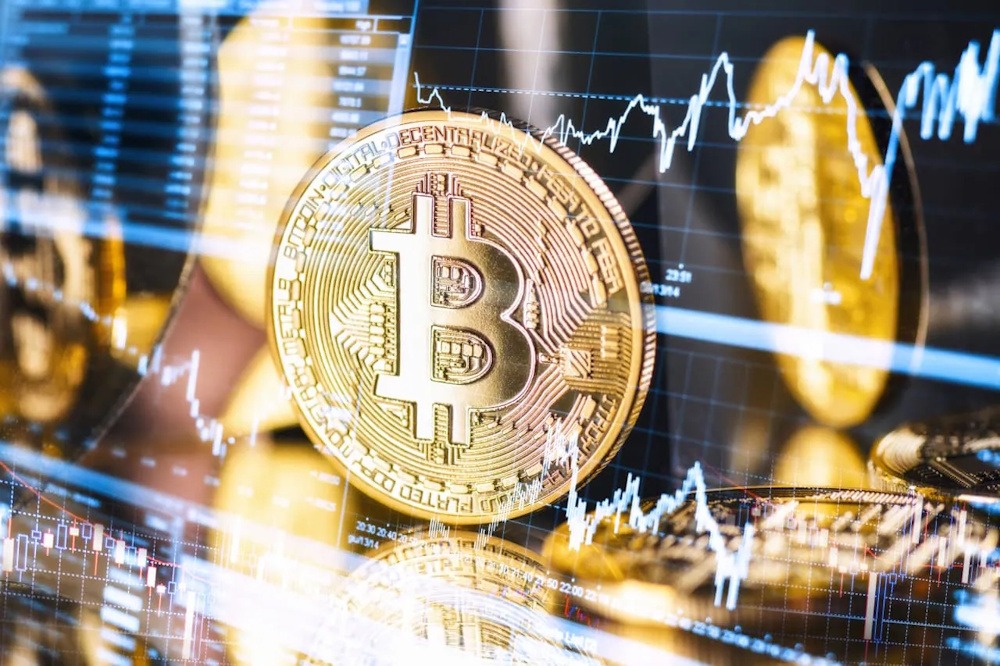
Bitcoin’s price experienced a decline on Wednesday, coinciding with a notable increase in U.S. Treasuries, as the 10-year yield rose above 5%, marking its highest level since 2007. The price of the leading cryptocurrency experienced a decline of 2% over a 24-hour period Wednesday afternoon in New York, trading at $84,357. Bitcoin’s price had surged earlier in the week as investors flocked to exchange-traded funds. At one juncture, it reached a peak of nearly $87,330. However, its rally has since moderated. It declined further on Wednesday afternoon coinciding with the announcement from the U.S. Treasury regarding its intention to purchase up to $6 billion of longer-dated government debt on Thursday.
Bitcoin previously benefited from the Treasury Department’s announcement of buybacks, experiencing its best run in months; however, this time it declined. The 10-year Treasury yield surpassed 5% on Wednesday, marking the first occurrence in 19 years, following the release of September’s flash PMI data, which significantly exceeded forecasts and elevated the composite index to a five-year peak. Inflation details have intensified the pressure: input costs in both manufacturing and services have surged to their peak since October 2022, primarily propelled by increases in fuel and transportation, alongside a notable strengthening of wage pressures.
Increasing yields generally pose a challenge for the price of bitcoin. When secure government bonds yield 5%, the cost of maintaining an asset that produces no income increases. Higher rates also tend to strengthen the dollar and dampen appetite for risk-on assets. Bitcoin has consistently declined this year in response to rising yields driven by inflation concerns, frequently exacerbated by ETF outflows and the forced liquidation of positions by leveraged traders.